By Jordan Underwood, Founder of Playmate Labs · Last updated: March 2026
The Adventurous Couple's Guide to Sensory Exploration
The couples who stay most alive together aren't the ones who spend the most or travel the furthest. They're the ones who've learned to find genuine novelty in the world around them — and turned it into a practice.

Redefining Adventure Together
Adventure in a relationship is often imagined as the big stuff — skydiving, international travel, once-in-a-lifetime experiences. And those things are wonderful. But they're also infrequent by definition, and a relationship that relies on occasional grand gestures for its sense of aliveness will spend most of its time feeling flat.
The adventurous couples who consistently report the highest relationship satisfaction have a different relationship with novelty. They've learned to find it locally. Regularly. In things that don't require a significant budget or advance planning.
They've developed what we call a sensory curiosity practice — a way of moving through the world that is always looking for something new to experience together.
"The most connected couples aren't thrill-seekers. They're curiosity-seekers — and there's a difference."
Building Your Sensory Curiosity Practice
The following exercises aren't metaphors. They're practical tools. Each one has been designed to create genuine novelty using only your senses and your presence together.
1. The "First Time" List
Sit down together and each write a list of 20 things you've never done. Not bucket-list items — genuinely small things. A food you've never tried. A neighbourhood you've never walked through. A type of music you've only heard referenced. A craft, skill, or physical activity that's always been vaguely on your radar.
When you're stuck for ideas, pull from the list. The rule: the activity has to be genuinely new for both of you.

2. The Blind Taste Challenge
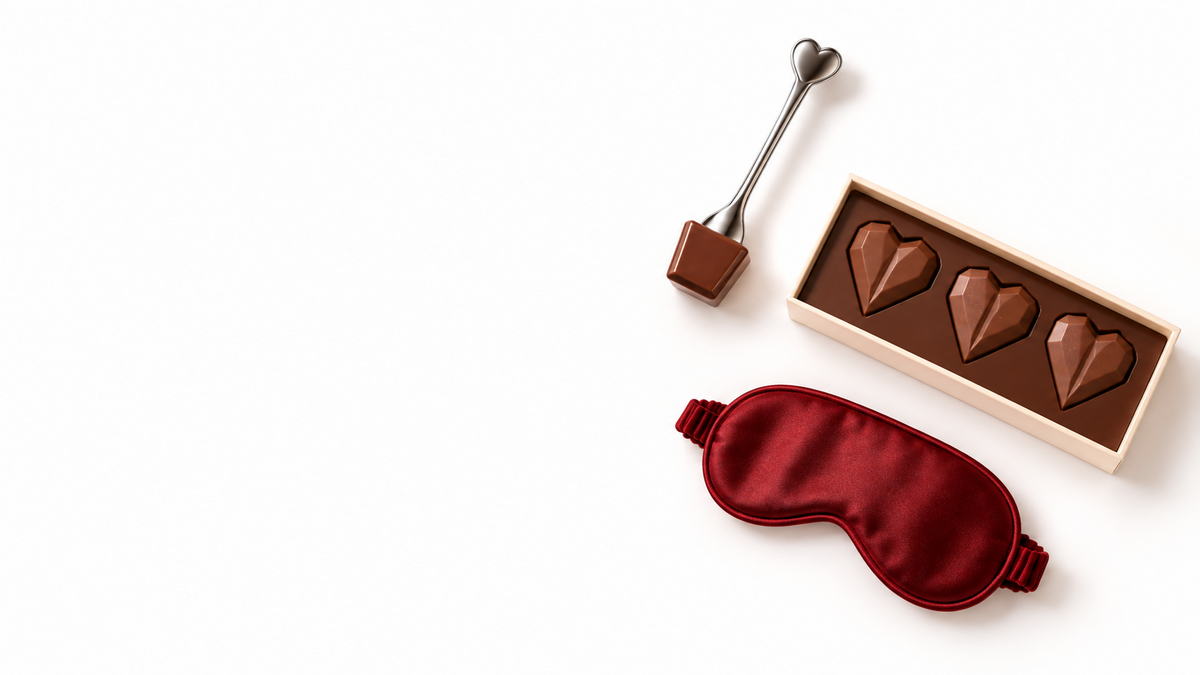
One person prepares 5–8 small tastes, blindfolded for the other. Rule: nothing familiar. The taster describes each one without guessing what it is — just what it evokes: what texture, what memory, what feeling. Then swap.
This activity consistently produces more genuine laughter and connection than most planned date nights. Why? Because it removes self-consciousness, activates curiosity, and generates conversation that couldn't have been scripted. Research by Edmund Rolls and Gordon Baylis, published in the Journal of Neurophysiology, found that multisensory experiences—combining taste, touch, and smell simultaneously—produce significantly stronger neural responses than any single sense alone, explaining why sensory date nights feel more memorable and connecting.
3. The Texture Walk
Choose a route. Walk it slowly. Stop and touch everything interesting — bark, walls, fabrics in shop windows, different ground surfaces. Name what you're feeling. Compare perceptions. This sounds odd until you do it, at which point it becomes quietly profound and reliably generates real conversation.
4. The Secret Location Date
One person plans an outing and tells the other only what to wear. No other information. The destination, the activity, the itinerary — all secret until arrival. The experience of genuine surprise (rare in long-term relationships) activates exactly the neurological state associated with early relationship excitement.
5. The Sensory Inventory
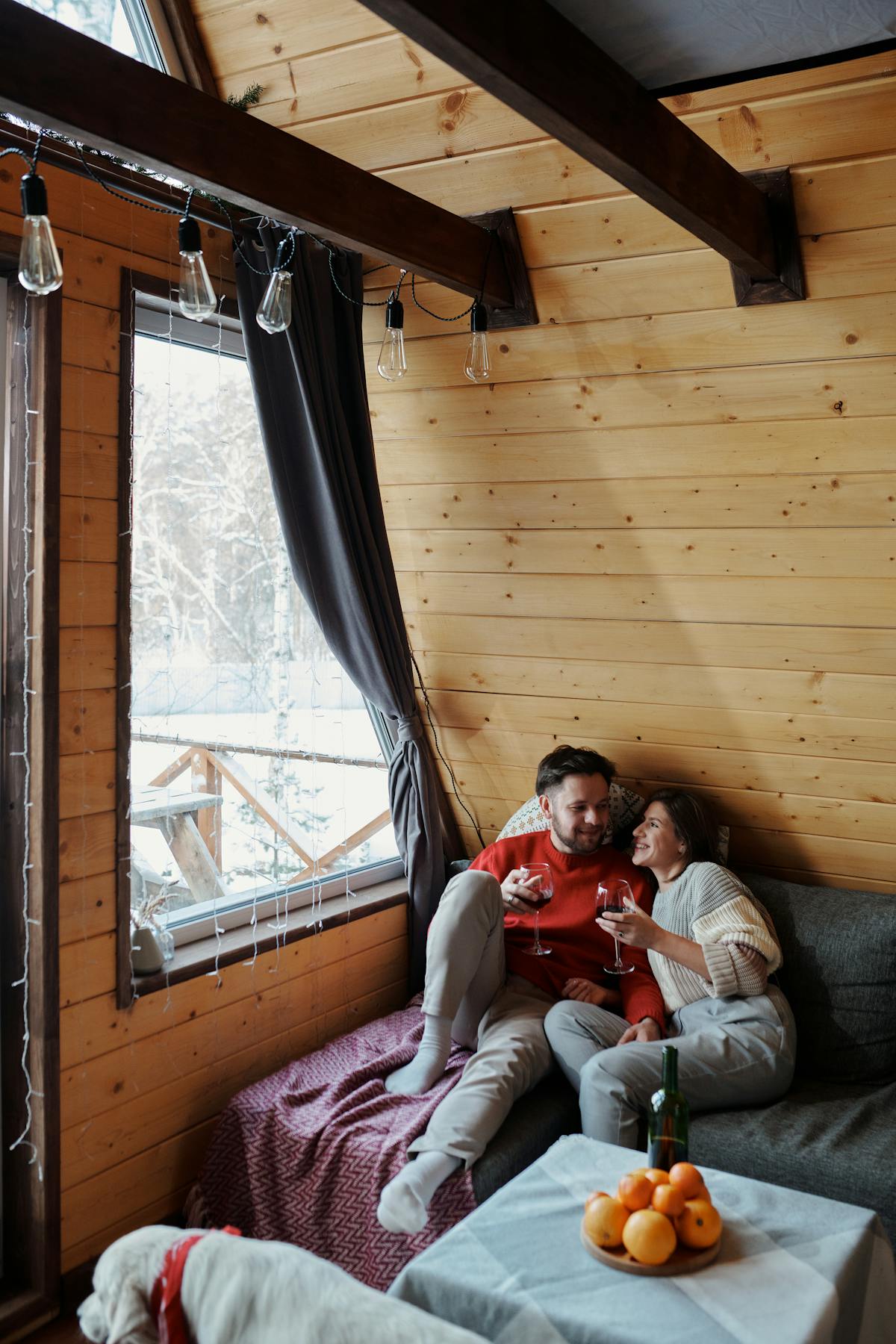
Spend 10 minutes in total silence together in a space you know well — your home, your garden, a local park. But this time, deliberately notice everything you're sensing. Every sound layered within other sounds. Every texture your body is in contact with. Every scent.
After 10 minutes, share everything you noticed. You will be surprised how different your experiences were in the same space.
Why Sensory Adventure Works
Relationship scientists use the term self-expansion theory to describe what happens when we grow through our relationships. The couples who rate highest in relationship quality and longevity aren't those who had the most comfortable lives together — they're those who consistently expanded each other's worlds.
A 2006 study by Matthew Hertenstein and colleagues, published in the journal Emotion, demonstrated that humans can communicate at least eight distinct emotions through touch alone—including love, gratitude, and desire—with accuracy rates of up to 78%. Sensory exploration is one of the most accessible forms of self-expansion. It doesn't require wealth, travel, or even much time. It requires presence, curiosity, and a partner who's willing to be surprised.

Making It a Practice, Not an Event
The goal isn't to have one extraordinary sensory experience. It's to build a shared posture toward the world — one of genuine curiosity, openness to the new, and the habit of paying attention together.
This posture, once developed, doesn't require special occasions. It infuses ordinary life with a quality of aliveness that keeps the relationship fresh over years and decades — not just weekends.
Start Today
Day 4 of our free Virtual Sensory Experience is entirely dedicated to adventure — a secret location prompt designed to create exactly this kind of genuine surprise and shared novelty. It's free, it works, and you can start tonight.
Ready to go further? Explore our curated Drops — sensory kits and tools designed specifically for adventurous couples who want to build this practice into their relationship for good.
Written by Jordan Underwood, Founder of Playmate Labs · Last updated March 2026 · The Playmate Journal
Overcoming the Resistance to Trying New Things
Most couples reading this will agree in principle that novelty matters. And then nothing will change. This isn't because they don't care. It's because the psychological barriers to trying new things in an established relationship are stronger than most people realise.
The comfort trap. Routine feels safe. Your brain interprets the known as low-risk and the unknown as potentially threatening. Even when the "unknown" is as harmless as trying a new cuisine or walking a new route, the nervous system registers a mild resistance. In a relationship context, this resistance gets amplified because you're negotiating two comfort zones, not one.
The judgment fear. What if we try something and it's awkward? What if my partner thinks it's silly? What if I feel vulnerable and they don't match my energy? These fears are rarely spoken out loud but they're present in almost every long-term relationship. The solution isn't to pretend they don't exist. It's to agree, explicitly, that awkwardness is part of the deal.
The logistics excuse. "We don't have time." "We'll do it next weekend." "We need to plan it properly." These are procrastination strategies dressed up as practicality. The truth is that most sensory adventures require less than an hour and zero preparation. A blindfolded taste test uses ingredients already in your kitchen. A new walking route requires only your shoes.
Name the resistance when you feel it. Say, "I notice I'm resisting this, but let's try it anyway." That single sentence, spoken honestly, removes most of the friction.
The Monthly Adventure Framework
If you want to build a genuine practice rather than a one-off experiment, structure helps. Here's a simple monthly framework that keeps sensory exploration consistent without making it feel like homework.
Week 1: Taste
Try one food or drink neither of you has had before. Cook together with an unfamiliar ingredient. Visit a restaurant serving a cuisine you've never tried. Share a piece of aphrodisiac chocolate slowly, describing the flavour to each other. The bar is low. The key is that it's genuinely new.
Week 2: Sound
Build a playlist of music neither of you normally listens to. Attend a live performance. Sit in a park with your eyes closed and describe what you hear. Listen to an album together, start to finish, without multitasking. Sound is the sense most people take for granted, which means it's also the one with the most untapped potential for shared discovery.
Week 3: Touch
Give each other a massage using a texture you haven't used before. Hold hands and walk in silence for 20 minutes. Try a physical activity together that requires coordination (partner yoga, dance class, climbing). Deliberately vary temperature during physical contact.
Week 4: Smell and Sight
Visit a market, garden, or spice shop together and describe what you smell. Light a new candle during an evening together. Watch a film in a genre you'd normally skip. Visit an art exhibition without reading the labels first and describe what you see to each other.
Four weeks. Four senses. Each one takes less than an hour. Over a year, that's 48 shared novel experiences. Research from psychologist Arthur Aron's lab suggests that even one shared novel activity per month is enough to measurably improve relationship satisfaction. Forty-eight is more than enough to fundamentally change the texture of how your relationship feels.
Frequently Asked Questions
What is sensory exploration for couples?
Sensory exploration is the practice of deliberately engaging your senses—taste, touch, smell, sound, and sight—together with your partner in new and intentional ways. It can include blindfolded taste tests, texture walks, shared cooking with unfamiliar ingredients, or creating sensory-rich environments at home. The goal is to activate curiosity and create shared experiences that feel genuinely novel.
How do you plan a sensory date night?
Start by choosing one or two senses to focus on. For taste, try a blind tasting with foods neither of you has tried. For touch, experiment with different textures during massage or a barefoot walk. For smell, visit a market or light unfamiliar candles. The key is removing predictability and creating space for genuine surprise and shared discovery.
Why does touch matter so much in relationships?
Research by Hertenstein et al. (2006) in the journal Emotion showed that touch can communicate complex emotions like love and desire with remarkable accuracy. Regular non-sexual touch—hand-holding, shoulder squeezes, back rubs—maintains the baseline of physical connection that deeper intimacy builds from. When touch only happens during sex, it can start to feel transactional.
How often should couples try new things together?
Research from Arthur Aron’s lab suggests that even one shared novel activity per month measurably improves relationship satisfaction. A structured approach—such as focusing on a different sense each week—can provide 48 novel shared experiences per year, which is more than enough to significantly change how your relationship feels.